October 21, 2026 New Why Volunteer During Retirement
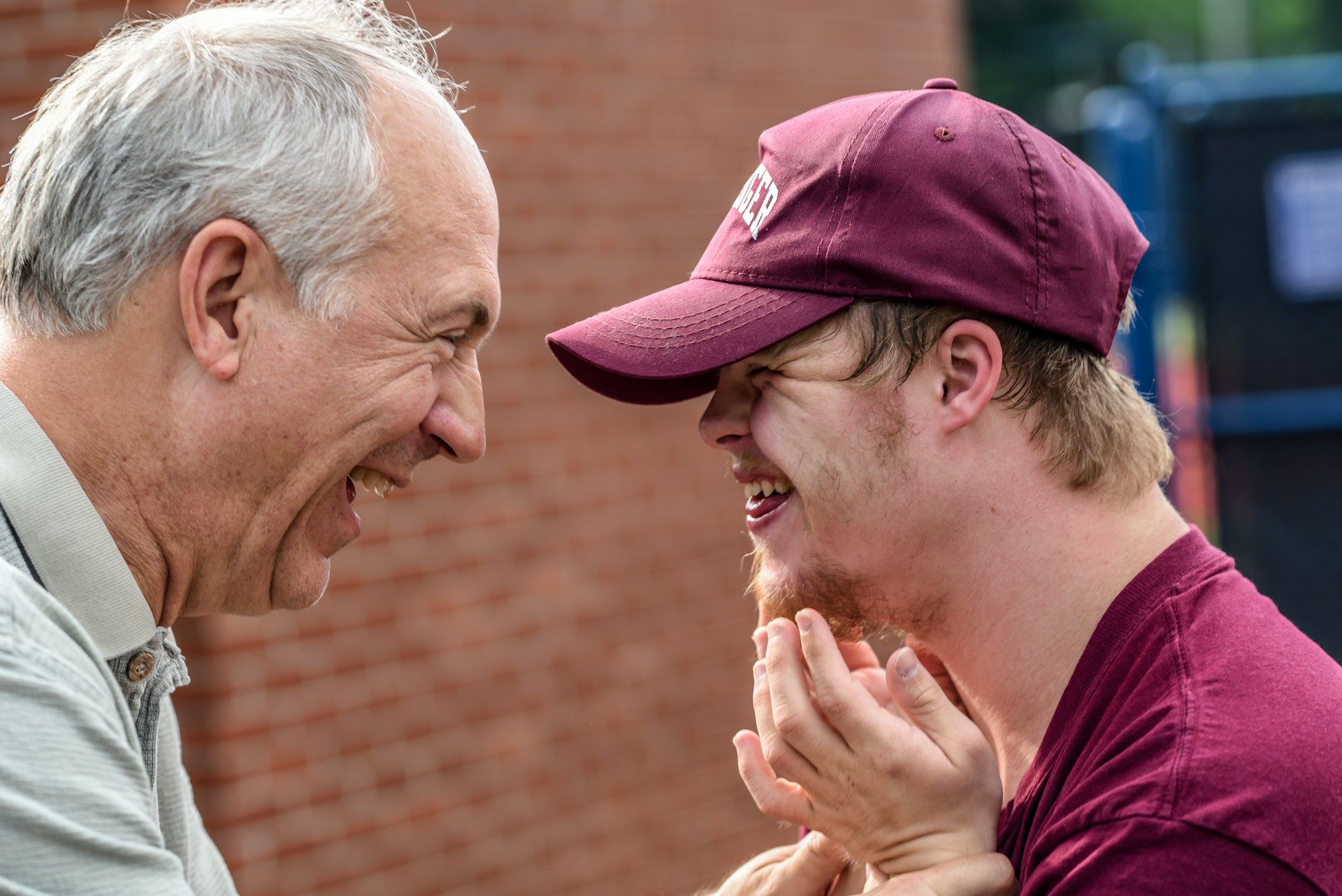
Over the past couple of years, I have been slowly winding down my business, UXL. Although officially stepping into retirement sometimes makes me feel disoriented or even a little sad, there are countless bright spots and opportunities that accompany retirement. One of those bright spots is having the time to amplify my volunteerism.
I have always enjoyed helping others. Whether volunteering for Habitat for Humanity, United Way, or Relay for Life, I find immense satisfaction in helping to make a difference. Volunteering also gives me the unique opportunity to connect with people from all backgrounds and walks of life. It has broadened my perspectives and helped me to learn more about the people in my community. Although the focus is on supporting others, volunteering has a way of also filling my cup and giving me energy and a sense of purpose.
Now, as a retiree, I can become even more active in my community. While some might dismiss retirees as lacking the physicality or energy to make meaningful contributions, I reject that stereotype. In fact, I think retirees can and should lead the way for volunteerism. This is a unique time in a person’s life—a time free of the daily nine to five grind. It’s fine, of course, for retirees to spend some of their free time playing golf or cozying up with a novel, but most people should also be able to make room for volunteerism.
Additionally, volunteering is a way to put your hard-earned skills to work. If you’ve built skills in leadership, organizing, communication, design, or fundraising over the years, why not apply those skills to community work? On the other side of the coin, volunteering can help you acquire new abilities and learn from people of different ages and backgrounds. You might discover a knack for something you never even knew you had!
Volunteering can also provide direction and purpose. In a world that sometimes feels overwhelming or even downright scary, it is easy to feel small and helpless. You might wonder if anything you do will actually make a difference. But instead of dwelling on these feelings, it’s helpful to get out the door and do something. Even if you only help one person while volunteering, that’s enough. For that one person, your actions meant the world. Besides, every meaningful change is made up of thousands (millions, even) of small, individual actions. Just like an ocean wave is comprised of countless water droplets, so too can small actions compound into a tidal wave of difference. This is what grassroots work is all about.
To me, retirees can lead the way when it comes to volunteerism. Apply whatever skills you have to the job, or pick up some new ones. Regardless, I hope to see you out there.
MARGARET SMITH IS A CAREER COACH, AUTHOR, INSIGHTS® DISCOVERY (AND DEEPER DISCOVERY) LICENSED PRACTITIONER, AND FOUNDER OF UXL. SHE HOSTS WORKSHOPS FOR PEOPLE WHO NEED CAREER OR PERSONAL GUIDANCE.
Tags: active retirement, helping community in retirement, Margaret Smith life coach, Margaret Smith minneapolis, retirees are valuable volunteers, volunteer during retirement
- Leave a comment
- Posted under Advice from a Life Coach, Changing Your Life
October 7, 2026 Learning to Truly “See” Others

It’s easy to walk through life without truly seeing others. We get so caught up in our own lives, our own circles, that we often fail to see the people who are right in front of us—the cashier, the barista, the oil-change tech, the roofer, the mail carrier, the person behind the deli counter or bakery case. Whole communities of people often go unnoticed, supporting the lives of others through their work.
And then there are the people who are close to us, the co-workers we pass in the hallway, the family members with whom we share a dining table or the living room couch. We might notice these people in our daily lives, but how often do we truly see them? How well do we know them?
From my perspective, the world would be a better place if we all made an effort to see those around us in a meaningful way, to see their humanity. What if we paused to say hello and ask how someone’s day is going? And what if we truly listened to the answer, instead of rushing through the interaction? What if we stretched outside our comfort zones and dared to get to know people outside our usual circle? What if we started noticing the people who make our everyday lives possible?
Why take the time to see others?
Far too often, people fail to see the incredible network of people who support them. The hotel room is magically cleaned. The package is delivered. The bread is baked, packaged, and placed on the shelf. By acknowledging these people and systems, we can gain a greater appreciation for how much collaboration and coordination it takes to make the modern world function. You, too, are a part of this system (even as “only” a consumer/customer), and hopefully someone is appreciating your contributions!
Beyond this miracle of cooperation, learning to see others can increase our empathy, dissolve fears and prejudices, and build community. While that may sound lofty, it’s absolutely true. The more you interact with people outside of your typical network, the more you will expand your worldview. You’ll see that most people have more in common with you than you might have realized. They have families and friends, they have children and siblings, they have hobbies and special interests, they root for a particular sports team, they have dreams for the future. And you’ll probably also realize that most of us want the same things: security for our families, good food, laughter, close friends, moments of excitement and entertainment, a comfortable bed.
In short, seeing the humanity in others can help us be better neighbors and citizens. If we dare to lift our eyes to truly see the people in front of us, we can open ourselves to new worlds and perspectives. If more people made an intentional effort to see others, can you imagine how that might change the world for the better?
MARGARET SMITH IS A CAREER COACH, AUTHOR, INSIGHTS® DISCOVERY (AND DEEPER DISCOVERY) LICENSED PRACTITIONER, AND FOUNDER OF UXL. SHE HOSTS WORKSHOPS FOR PEOPLE WHO NEED CAREER OR PERSONAL GUIDANCE.
Tags: learn to truly see others, learning empathy, Margaret Smith licensed Insights practitioner, Margaret Smith life coach, walking in others shoes
September 23, 2026 What is Your Everyday Legacy?

In my last blog post, I discussed Legacy (with a capital “L”), focusing on the overarching impact a person might leave behind. This week, I’m drilling down a bit and addressing the concept of “everyday legacy,” the effects a person can have on those around them on a daily basis.
There’s a famous saying (often attributed to Lao Tzu) that goes: “Watch your thoughts, they become words. Watch your words, they become actions. Watch your actions, they become habits. Watch your habits, they become character. Watch your character, it becomes your destiny.” This is the main idea behind an everyday legacy. Your daily thoughts, words, and actions matter.
Although they may not seem to make much of a difference in the moment, what you do and how you behave can form who you are and how you’re perceived. A passing conversation, a comment in a meeting, a kind gesture, or even your body language can speak volumes about your genuine persona. You never know what kind of impact you’re making on someone—the impression you’re leaving during a discussion or interaction.
In short, it all matters. That may seem daunting, but it can also be viewed as an opportunity. You have the opportunity to put your best foot forward at all times and in all situations. Recognizing this can help guide you through everyday situations.
Will you respond with an insult/snarky comment or with understanding and kindness?
Will you choose to engage in gossip or push back?
Will you recognize others achievements or gloss over them?
Will you include someone in the conversation or ignore them?
All these choices make a difference, and they add up over time. Even though it might seem like a small thing to send someone a thank you card or commend someone’s work during a meeting, these types of gestures are often remembered. And they all accumulate to make up your core personality—who you are and how you’re perceived.
The main thing to keep in mind is that you have a choice when it comes to everyday legacy. If you want to be known as a fair and caring leader, you can choose to behave in a way that reflects that persona. If you want others to see you as a sharp contributor, show up as that person as often as you can. Lean into your best self—the self you want others to know and recognize.
Your everyday legacy can be shaped by YOU. How will you demonstrate it today through words and actions?
MARGARET SMITH IS A CAREER COACH, AUTHOR, INSIGHTS® DISCOVERY (AND DEEPER DISCOVERY) LICENSED PRACTITIONER, AND FOUNDER OF UXL. SHE HOSTS WORKSHOPS FOR PEOPLE WHO NEED CAREER OR PERSONAL GUIDANCE.
Tags: everyday interactions, everyday legacy, leaving an impression, legacy work, margaret smith career coach, UXL Margaret Smith
- Leave a comment
- Posted under Advice from a Life Coach, Changing Your Life, Goals


